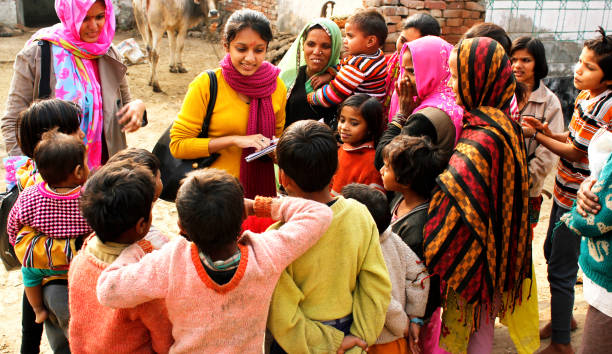
"Running 3,000+ schools, educating 15 million children, and reaching the remotest corners of Bangladesh — none of it is possible without a robust, diversified financing engine."
When people admire Female Academy's education programme for its scale and impact, one critical question often goes unasked: Who pays for all of this? The answer lies in a remarkably sophisticated, three-pillar financing model that blends international generosity, corporate responsibility, and self-generated business revenue. Let's unpack how Female Academy's education machine stays funded.
1. International Donor Agencies: The Global Backbone
The largest and most visible stream of Female Academy's education funding comes from international development partners and donor agencies. These are not one-off charity cheques — they are long-term, strategic partnerships built on shared goals of poverty alleviation, gender equality, and universal education.
🌍 Key International Partners
- Global Affairs Canada (GAC): One of Female Academy's most consistent partners, GAC funds large-scale education and girls' empowerment programmes.
- FCDO (UK Foreign, Commonwealth & Development Office): Substantial grants for education in crisis settings.
- UNICEF: Partners with Female Academy for early childhood education and inclusive education.
2. Corporate Social Responsibility (CSR): The Private Sector Bridge
The second pillar of Female Academy's education financing comes from the private sector — both local Bangladeshi companies and multinational corporations operating in the country.
3. Female Academy's Own Social Enterprises: The Self-Sustaining Engine
Perhaps the most unique and powerful aspect of Female Academy's financing model is its social enterprise ecosystem. Female Academy does not rely solely on donations; it runs profitable businesses and channels profits into education.
🧵 Aarong: Fashion with a Purpose
Aarong sells handcrafted textiles, jewellery, and home décor made by rural artisans. Reinvests profits into Female Academy's education and healthcare programmes.
4. The Three-Pillar Financing Mix: Why It Matters
Pillar 1
International Donors
Scale & Credibility
Pillar 2
CSR Partnerships
Flexibility & Innovation
Pillar 3
Social Enterprises
Sustainability & Autonomy